
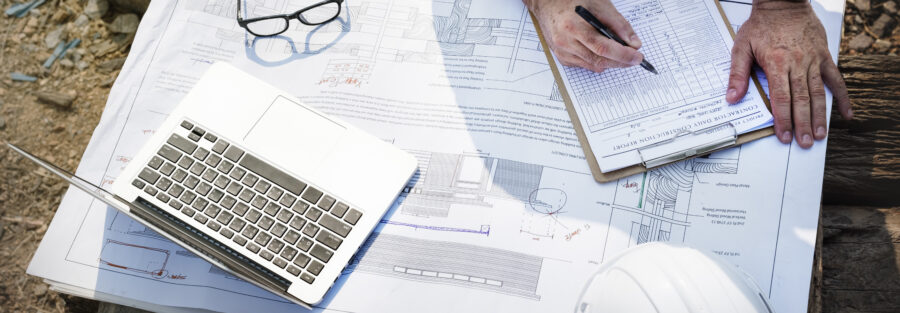
When technical verification or certification is required for machinery, property, automobiles, imports, exports, or other engineering-related assets, organizations often need an independent technical assessment from a qualified professional.
A Chartered Engineer Certificate provides professional technical certification based on inspection, assessment, available documentation, specifications, and the requirements of the concerned organization or authority. It can be required by businesses, banks, financial institutions, customs authorities, government organizations, and other institutions for different technical and commercial purposes.
But what exactly is a Chartered Engineer Certificate, when is it required, what documents are needed, and how does the certification process work?
What Is a Chartered Engineer Certificate?
A Chartered Engineer Certificate is a professional engineering certification issued by an appropriately qualified Chartered Engineer after reviewing and assessing the relevant asset, equipment, property, or technical information.
Depending on the purpose, the assessment may involve physical inspection, verification of specifications, examination of documents, technical observations, and preparation of a formal certificate or report.
The exact contents and requirements can vary depending on the asset and the organization or authority requesting the certificate.
When Do You Need a Chartered Engineer Certificate?
A Chartered Engineer Certificate may be required whenever an independent technical assessment or engineering certification is requested by a bank, customs authority, insurance company, government organization, financial institution, or other concerned authority.
Typical applications include:
- Import and export documentation
- Customs-related requirements
- Plant and machinery assessment
- Technical verification of equipment
- Bank and financial institution requirements
- Property and building-related certification
- Automobile and vehicle-related assessment
- Insurance-related technical requirements
- Government and institutional requirements
- Asset assessment and documentation
The exact requirement depends on the purpose of the certificate and the specifications of the organization requesting it.
Chartered Engineer Certificate for Import and Export
Businesses involved in international trade may require engineering certification for machinery, equipment, or other technical assets involved in import and export transactions.
A Chartered Engineer may be required to inspect or assess the relevant equipment and provide technical details or certification as required for documentation and regulatory purposes.
Such certification can be particularly relevant when technical specifications, machinery details, age, condition, or valuation-related information needs independent verification.
Chartered Engineer Certificate for Plant & Machinery
Industrial machinery and equipment can represent significant investments, making accurate technical assessment important for businesses and financial institutions.
A Chartered Engineer Certificate may be used for:
- Machinery identification
- Technical inspection
- Equipment specifications
- Condition assessment
- Age and operational information
- Asset documentation
- Financial or institutional requirements
The assessment process depends on the type of machinery, its application, accessibility, available documents, and the purpose of the certification.
Chartered Engineer Certificate for Banks and Financial Institutions
Banks and financial institutions may require technical certification when evaluating machinery, equipment, property, or other assets connected with financing or lending arrangements.
An independent engineering assessment can provide relevant technical information about an asset and support the institution’s evaluation process.
For businesses seeking finance against machinery or other technical assets, a Chartered Engineer Certificate may therefore form part of the documentation requested by the concerned financial institution.
Chartered Engineer Certificate for Property and Buildings
Engineering certification may also be required for buildings, land, and other property-related requirements.
Depending on the purpose, the assessment may consider aspects such as:
- Physical characteristics
- Construction details
- Building condition
- Specifications
- Technical observations
- Available drawings or documents
- Site conditions
A property-related engineering certificate is different from a standard property valuation report because the purpose and technical requirements of the assignment may be different.
What Does a Chartered Engineer Inspect?
The inspection depends on the type of asset and the purpose of the certificate.
For machinery and equipment, the assessment may include identification, specifications, physical condition, capacity, age, installation, and other relevant technical characteristics.
For buildings and properties, the inspection may involve physical characteristics, construction details, condition, dimensions, and other technical aspects relevant to the assignment.
The Chartered Engineer may also review documents and information provided by the owner, business, bank, authority, or other concerned party.
What Documents Are Required?
The documents required for a Chartered Engineer Certificate vary depending on the purpose and type of asset.
Depending on the assignment, relevant documents may include:
- Ownership or purchase documents
- Invoices or purchase records
- Machinery or equipment specifications
- Technical datasheets
- Import or export documents
- Previous inspection or valuation reports
- Property-related documents
- Drawings or plans, where applicable
- Asset identification details
- Other documents requested for the specific certification
Providing complete and accurate documentation can make the assessment process more efficient.
Final Thoughts
A Chartered Engineer Certificate can be an important document when an independent technical assessment or engineering certification is required for machinery, equipment, property, automobiles, imports, exports, banking, insurance, government, or institutional purposes.
The certification process generally involves understanding the requirement, reviewing relevant documents, conducting a physical inspection where necessary, assessing the technical characteristics, and preparing the appropriate certificate or report.
At Omen Assessors, we provide professional valuation, assessment, and certification services for businesses, financial institutions, government organizations, and individual clients. Our services include Chartered Engineer Certificates relating to land, buildings, automobiles, plant and machinery, along with other asset assessment requirements.
If your bank, customs authority, government organization, financial institution, insurer, or another organization has requested a Chartered Engineer Certificate, the exact requirements should be confirmed before beginning the assessment.
Need a Chartered Engineer Certificate? Contact Omen Assessors to discuss your requirement and understand the assessment process for your specific asset or purpose.